A Bite Out Of Apple

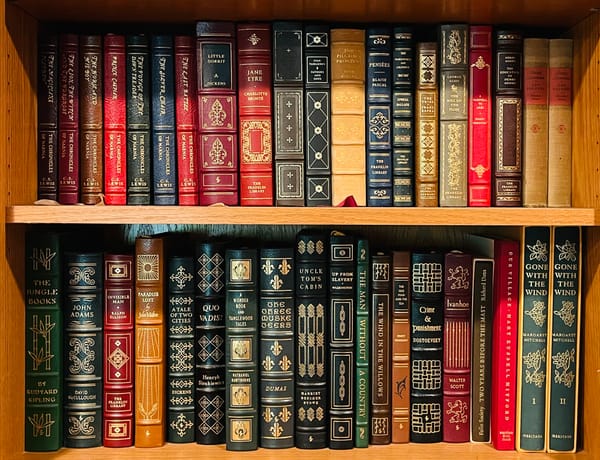
I see a lot of non-fiction in my recent book reviews. Some might see that as intellectually rigorous. Others might call it BORRRRRIIINNGG. Alas, I need to add one more non-fiction. But this one includes a love story, a true one.
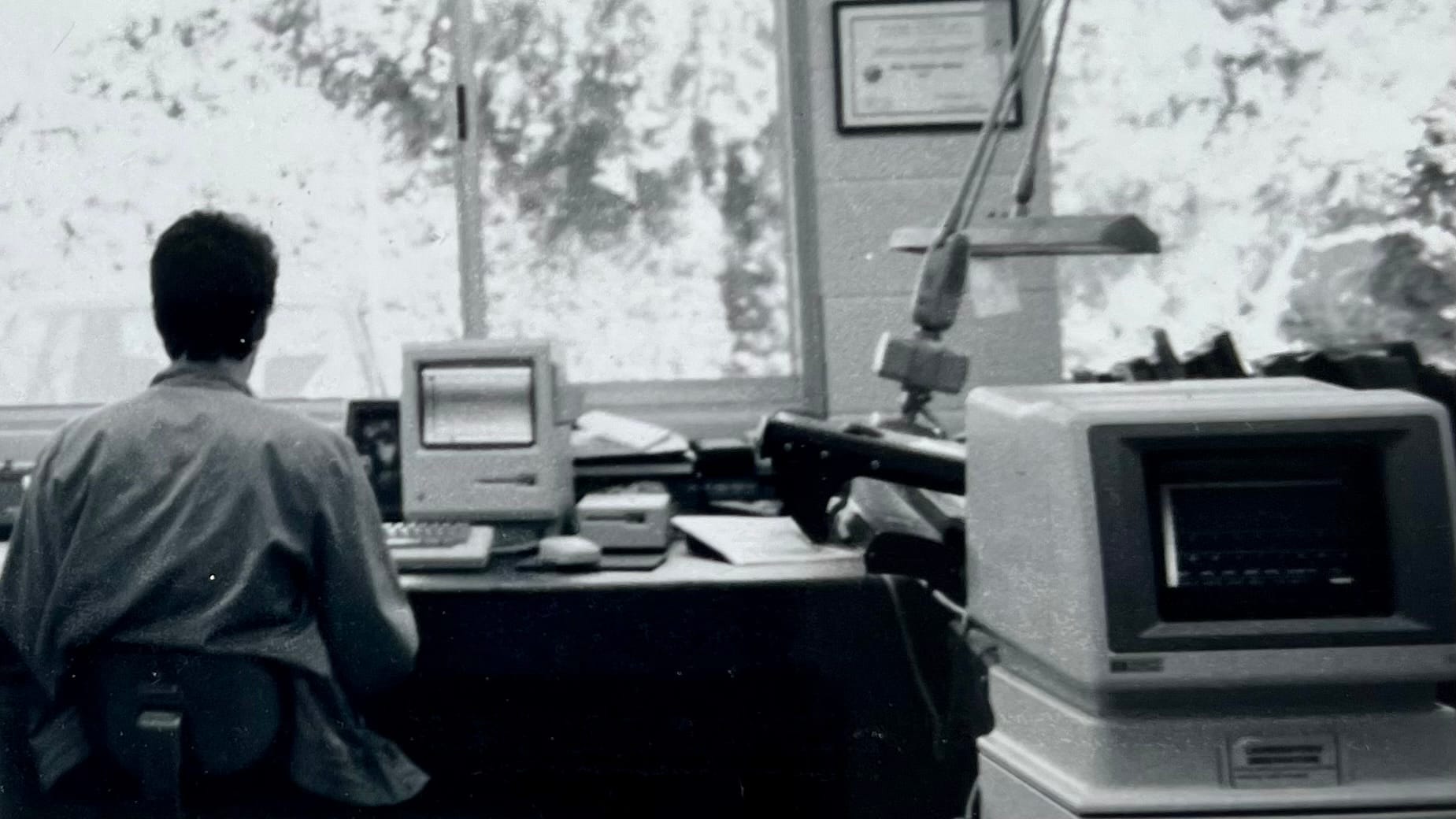
Once upon a time, there was a nerd in his mid-twenties who desperately needed a personal computer of his very own. This 25-year-old article chronicles his first date with an Apple Macintosh and how he finagled his way into a permanent relationship in 1985, followed by new iMacs in the 1990’s. He and his family have had shiny Apple products in their home ever since.
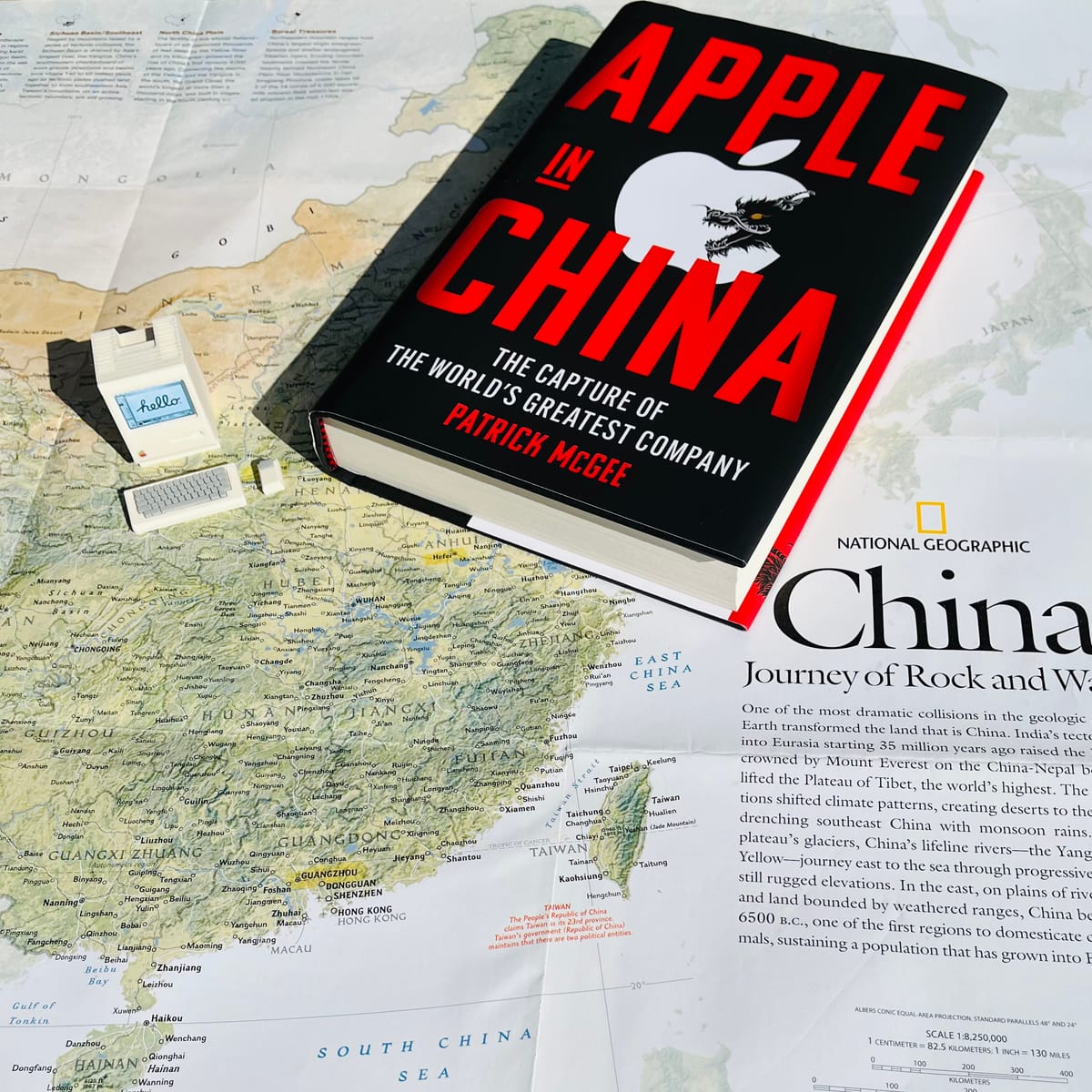
That was me. Like many Apple fanatics, the death of Steve Jobs in 2011 affected me deeply. I wondered what would become of the counter-cultural Apple he co-founded. Almost fifteen years later, it is bigger, wealthier, and Liquid Glassier than Steve Jobs imagined. Better? Maybe. How Apple got here is the subject of Apple In China: The Capture of the World’s Greatest Company by Patrick McGee.
I have been wondering about Apple’s enmeshment in China for a long time. McGee’s prologue opens in 2013 when historically friendly Chinese media castigated Apple’s customer service. Ultimately, Apple CEO Tim Cook flew to China to mend the working relationship. That episode wouldn’t be the last one.
Published just last year, Apple In China unveils the story of how one American corporation became the biggest multi-national investor in China and in so doing became the most profitable company on the planet. Like many, I simplified the narrative to low-cost labor, based on news articles picturing rows of Chinese workers assembling iPhones. However, Apple’s presence in China is rooted far more deeply than that final assembly. Their entire supply chain is dependent on a vast network of mostly Chinese suppliers producing cutting edge components to meet Apple’s notoriously robust quality standards.
The book describes a remarkable progression over time of brilliant engineering, happenstance, calculated risk-taking, political manuvering, ignorance, and the lure of profits. McGee divides his narrative into six sections, starting with Apple’s near-bankruptcy in 1996, through the introduction of the iPhone in 2007, to the Apple of today: dependent on a China for most of its product supply and a large part of its sales revenue. He shows how each step led to the next, with neither side envisioning the relationship as it is today. But both were willing to take advantage of a complicit partner. If you have a smidgeon of interest in how that magic slab of an iPhone got into your pocket or in the complexities of global economics, I highly recommend Apple In China. It is a tale that continues in daily headlines.

What about MY Apple love story? While I have been faithful all these years, clearly Apple does not need me as much as I need Apple. My 2020 M1 MacBook Air is going strong, but the 2019 Intel iMac in the living room is stuck on an older version of the operating system. Like Apple in China, my options for escaping are painful, even if I wanted to. The next few years of the Apple In China story, as well as Apple in my home, will be fascinating.
LOCAL AUTHOR PUBLISHED
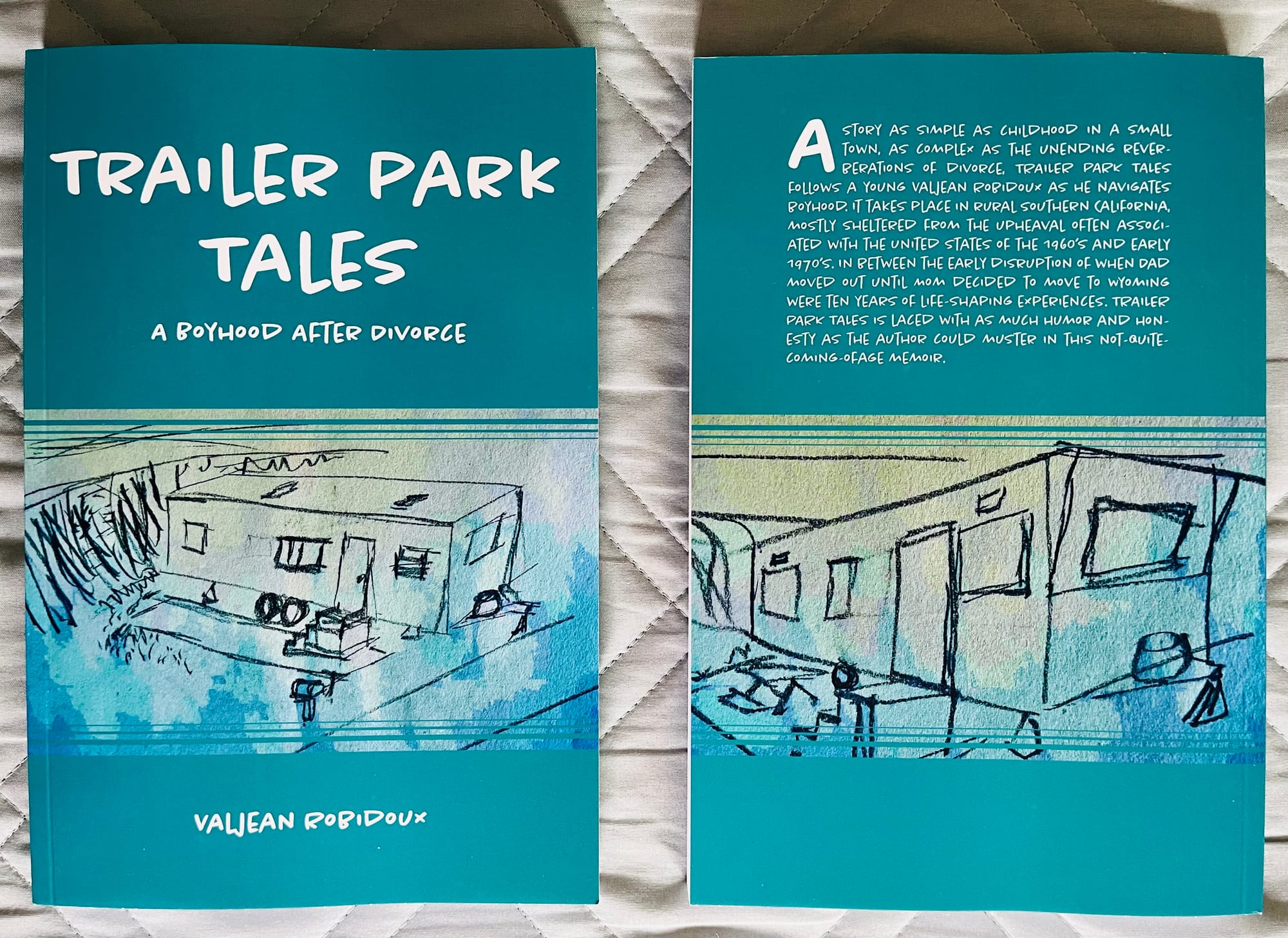
Trailer Park Tales: A Boyhood After Divorce, written by yours truly, finally made it into print after many hours of rummaging for elusive memories and perusing my small archive of memorabilia. Completing this project was fun, at times frustrating, but ultimately rewarding. Writing a memoir of any length is something I would recommend to anyone. Perhaps now my family will better understand my quirks...
Until next time…