Book Bound #45 – Spiritual Materialist
Let’s start with an aside on technology for writing. Some days, I want to go back to pen and paper. Like today, after hours spent trying to get spell-check functional in Microsoft Word. What passed for ‘help’ on the internet was vague, incorrect, outdated. Finally, I deleted and re-installed Microsoft Word, then redid the settings for spelling. It appears to be working. Do I NEED spell check? No. But it is handy, because my typing is sloppy. Also, I no longer own a physical dictionary. Maybe I should rethink that.
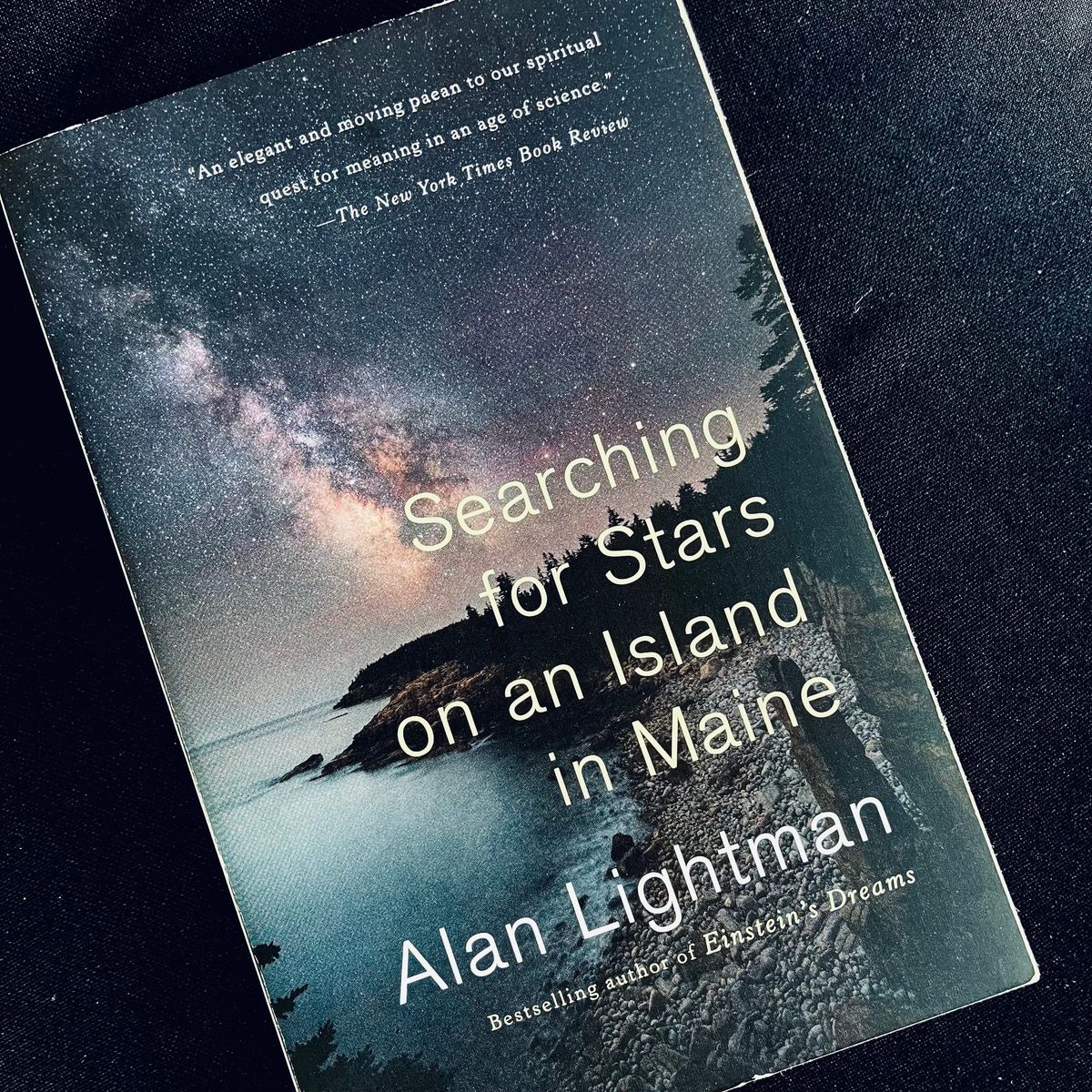
Now I can really start – with the word inquisitive. Book readers are inquisitive. They want to learn, to explore, to grow. Going to the bookstore is an exercise in discovery. About six years ago, I discovered Searching for Stars on an Island in Maine by Alan Lightman at Barnes & Noble (published in 2018). The cover blurb from The NY Times Book Review piqued my interest: “An elegant and moving paean to our spiritual quest for meaning in an age of science.”
I devoured Searching for Stars then and re-read it again this year. It is a book I will no doubt return to in the future.
Lightman approaches the tension between science and spirituality with intelligence and humility. He is a physicist who has had transcendent experiences. In his introduction to The Transcendent Brain (published 2023), he calls himself a ‘Spiritual Materialist’:
I believe that the spiritual experiences we have can arise from atoms and molecules. At the same time, some of these experiences, and certainly their very personal and subjective nature, cannot be fully understood in terms of atoms and molecules.
Lightman recognizes the limits of what science can explain. Sometimes science does not yet have the tools. Sometimes the subject defies analysis, like awe or love or beauty. Searching for Stars is a series of 20 essays, just over 200 pages in total. Lightman shares his experiences as both a scientist and more broadly as a human being. He talks about human desires for absolutes, for certainty, particularly in the face of our mortality. He observes the material universe, from atoms to the multiverse. He talks about ants and hummingbirds. He quotes poets, monks, scientists. He references Marilynne Robinson (always a win for me). The essay Certainty is a profound exploration of Saint Augustine’s theology.
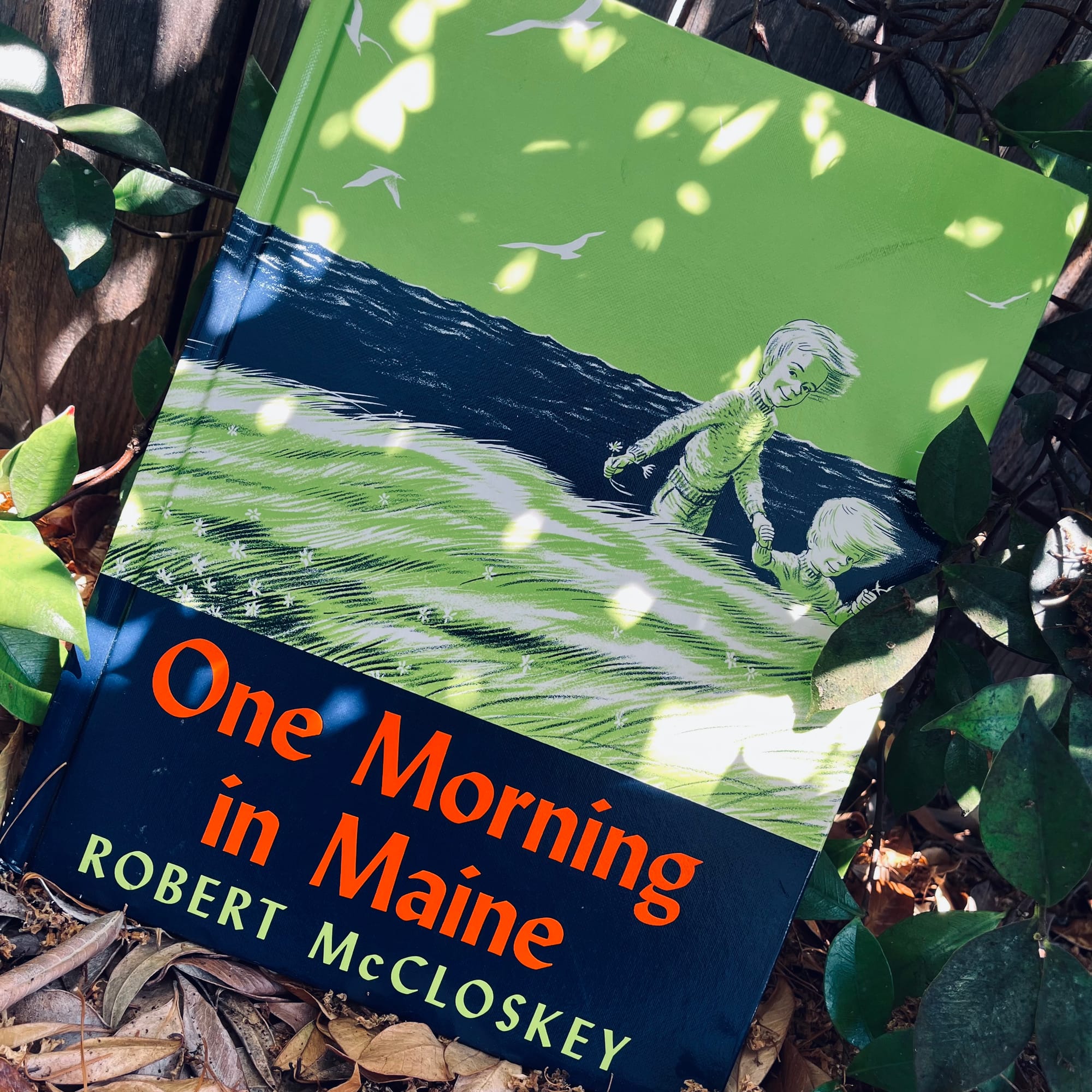
Also, Lightman lives in Maine and many of his experiences take place near his home. So, maybe there is just something special about Maine. His descriptions reminded me of a book we read over and over to our daughters: One Morning In Maine, by Robert McCloskey. It wouldn’t hurt to read that first!
I learned something in every chapter, but never felt like Lightman was pushing me to come to a certain conclusion. Lightman always stops explaining where the science stops, but continues writing about his experience. A splendid example is how he wraps up the short chapter Hummingbird:
It’s all material. But when I’m looking at the birds, suspended in space, I don’t think numbers or gravity. I just watch and am amazed.
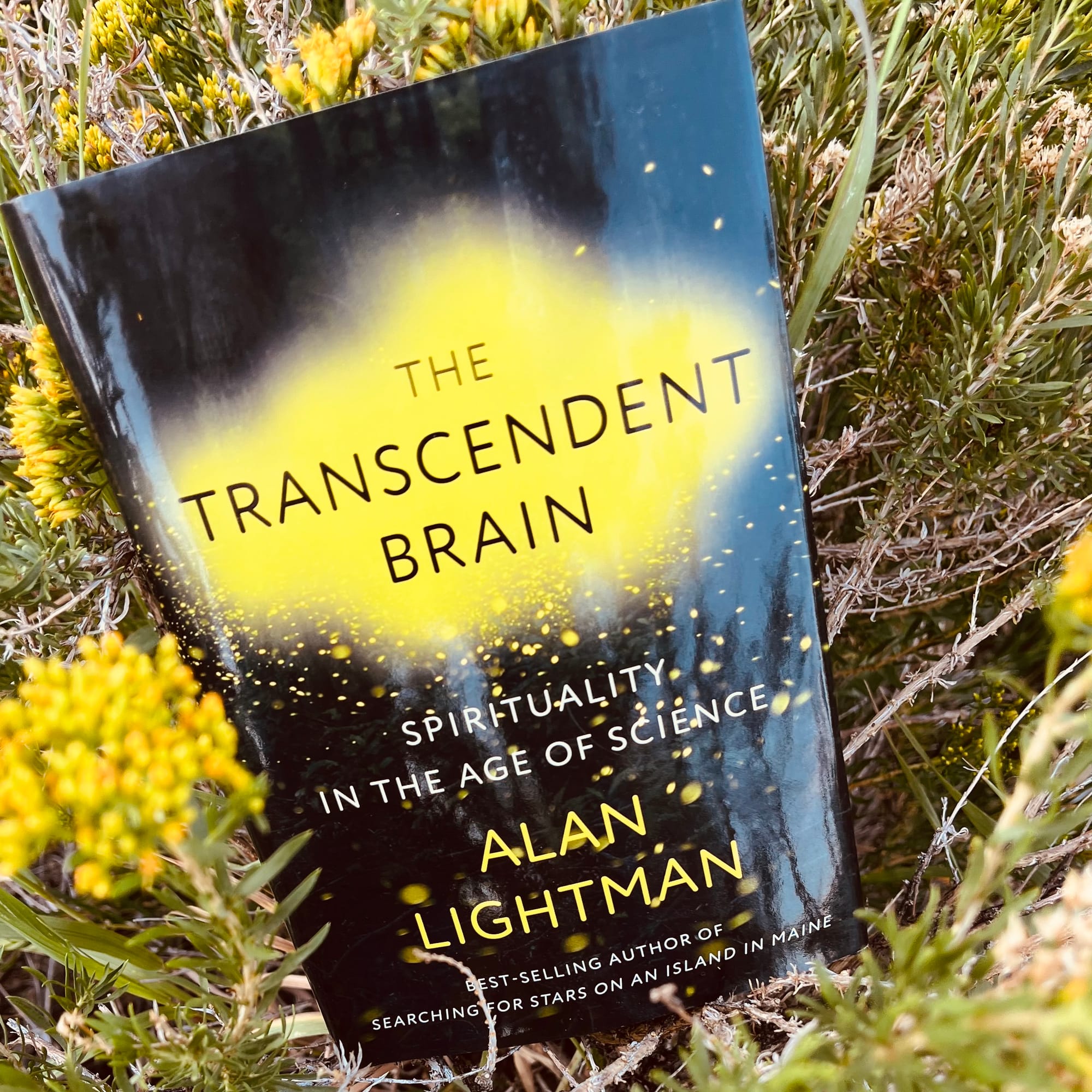
While Searching for Stars on an Island in Maine is a broad exploration of science and spirituality, The Transcendent Brain: Spirituality in the Age of Science (published 2023) is focused on the gray blob between our ears and its relation to our concepts of spirituality. He delves into consciousness, self-awareness, the sources of our ideas of the eternal. The Transcendent Brain does touch on some of the same material as Searching for Stars, which is particularly helpful if a reader is not familiar with Lightman’s earlier writings.
One example of Lightman’s style is this concluding section from a short narration about a kayaking experience near his home:
I will take a moment to break this spell and write down my thoughts… Now I am back in my body, back in my conscious brain. Is this the real world, and the other world a world of illusion? Or perhaps the reverse. As I’ve come to understand, a common feature of all aspects of spirituality is a loss of self, a letting go… For a moment, I stop paddling and listen. I think that I hear the soft beats of my heart. Or is it the soft clapping of waves on the shore?
I cannot explain everything I have experienced. Though I want to. I feel sensations of love or awe as I go through life that are bigger than I can comprehend. Though I try. The quest to know is so human. Also the desire to be right. I really like to be right. The problem is, the more I experience, the more I realize just how big the iceberg of the unknown is that I am perched precariously on top of. The more I explore, the bigger it gets. And my younger self was so sure I would have life figured out by now.
In both books, Alan Lightman expanded my understanding of the material and the spiritual, an astoundingly rare feat. At the same time, his personal example helped me to relax and appreciate my small place in this big universe.
Until next time…